

If you spend any time on social media skincare threads, you have probably seen someone warn against dermaplaning with a familiar line:
“Do not do it, the hair will grow back thicker and darker.”
It sounds scary but the good news is that this is a myth. Dermaplaning does not change how your hair grows! Let’s walk through what really happens during dermaplaning, why the regrowth can feel different at first, and when it might make more sense to consider laser hair reduction instead.
What Actually Happens During Dermaplaning
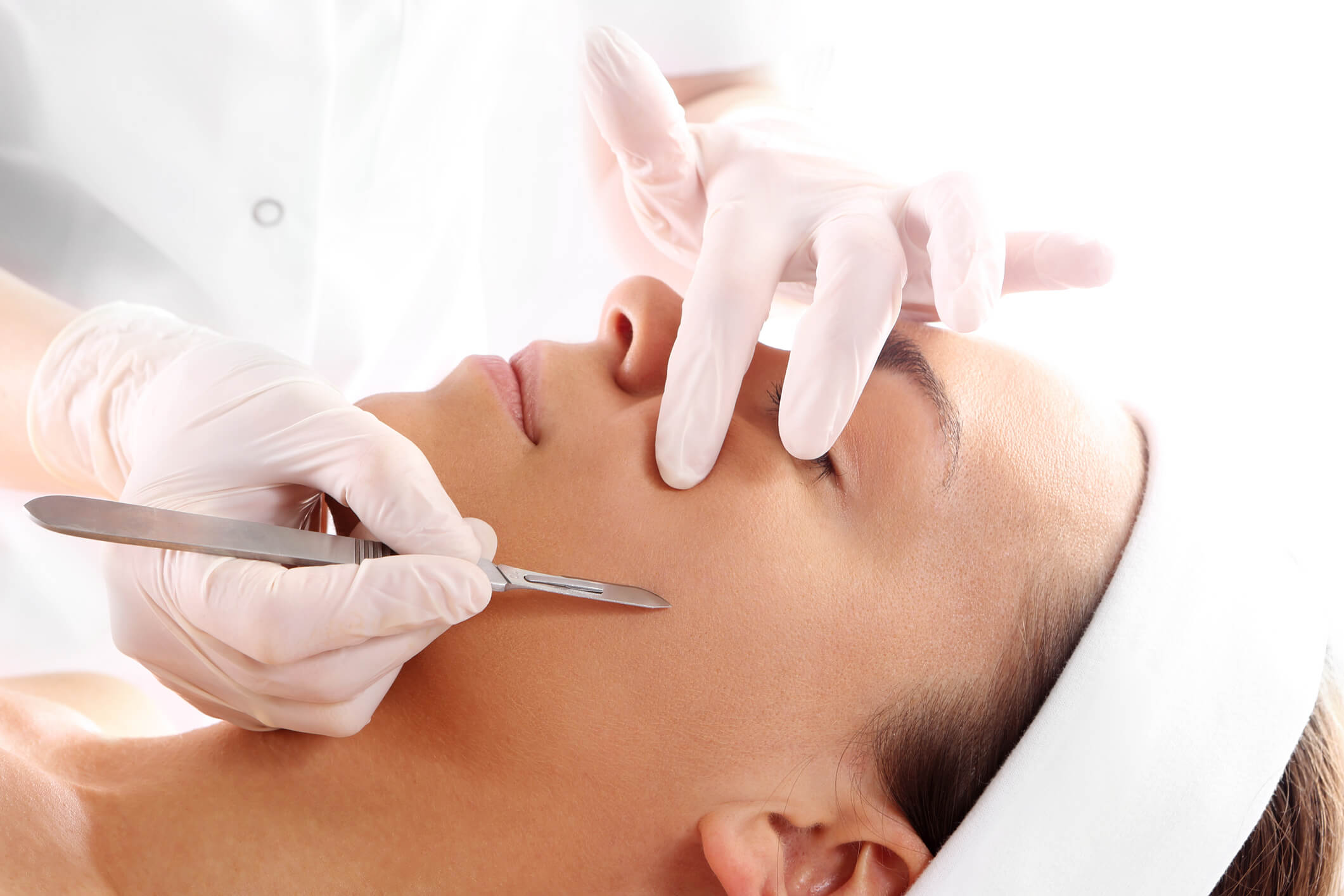
Dermaplaning is a professional exfoliation treatment. A trained medical aesthetician uses a sterile surgical style blade held at a precise angle to gently glide over the skin. With each light stroke, the blade removes a very thin layer of dead skin cells along with fine vellus hair, often called peach fuzz.
Most people notice that their skin looks brighter and feels incredibly smooth right away. Skincare products tend to absorb more easily, and makeup sits more evenly on the surface of the skin. Because there is no chemical peeling involved, dermaplaning is often well tolerated when it is performed on the right candidate and with proper technique.
Dermaplaning is not a one size fits all service. Your medical aesthetician will look at your skin type, any active conditions, and your goals before deciding if it is the right option or if another treatment would be a better fit.
Will Dermaplaning Make My Hair Grow Back Thicker?
Short answer, no. Dermaplaning does not change the structure of your hair or the way it grows.
Hair growth is controlled by the follicle and by your hormones, which sit below the surface of the skin. Dermaplaning only touches the hair shaft that is already visible. It does not reach or damage the follicle. It does not “activate” new follicles. It does not influence hormone levels.
When the hair grows back, it will have the same colour, thickness and growth rate that it had before your treatment.
Vellus Hair Versus Terminal Hair
It also helps to know what type of hair dermaplaning targets.
- Most of the hair removed during dermaplaning is vellus hair. This is the fine, light peach fuzz that covers much of the face. It is usually soft, short, and not very pigmented.
- By contrast, terminal hair is thicker, darker hair like the hair on your scalp, your eyebrows, or the underarm and bikini areas. Terminal hair is controlled by different hormonal and genetic factors.
Dermaplaning does not turn vellus hair into terminal hair. Removing peach fuzz at the surface does not suddenly “teach” your follicles to grow coarse, dark strands. If you already have a few terminal hairs on the chin or upper lip, your provider may remove those carefully during the treatment, but dermaplaning itself is not what creates them.
Is Dermaplaning Right for Me?
Dermaplaning is not ideal for everyone. You may be asked to delay or avoid this treatment if you have:
- Active acne or frequent inflamed breakouts in the area
- Open cuts, cold sores, or current skin infections
- Certain inflammatory skin conditions like uncontrolled eczema or psoriasis on the treatment area
On compromised or highly reactive skin, the blade can increase irritation, so it is important to be honest with your medical aesthetician about your skin history. If you are still unsure, a consultation is the safest way to decide.
When Laser Hair Reduction Makes More Sense
Dermaplaning is wonderful for smoothing skin and removing peach fuzz, but it is temporary. If your main concern is ongoing unwanted hair, especially darker, thicker hair on the face or body, laser hair removal may be a better option.
Laser hair reduction uses focused light energy to target the pigment in the hair follicle. The heat damages the follicle so hair grows back slower and finer. With a series of treatments, many patients see a significant, long lasting reduction in hair growth.
At Macleod Trail Plastic Surgery, laser hair reduction treatments are customized based on skin tone and hair colour. Your provider will talk through what you want to achieve, how many sessions to expect, and whether there are any medications or skin conditions that would affect your plan.
Some patients choose to use both treatments. For example, they may do laser hair reduction on the underarms or bikini area for long term convenience, and dermaplaning on the face to keep the complexion smooth and bright.
Choosing The Right Hair Removal Treatment For You
The team at Macleod Trail Plastic Surgery can walk you through both options, answer your questions, and build a treatment plan that fits your skin, your comfort level, and your schedule.
If you are ready to explore what is right for you, book your next treatment or schedule a consultation today and take the first step toward smoother, more confident skin.